
About

A studio that builds the system and leaves the decision trail.

Doric Stack builds and sells software for protected work, applied AI, commerce operations, and technical publishing. The public surface starts with released products, open-source tooling, and Field Notes that show the reasoning behind the work.

Architecture

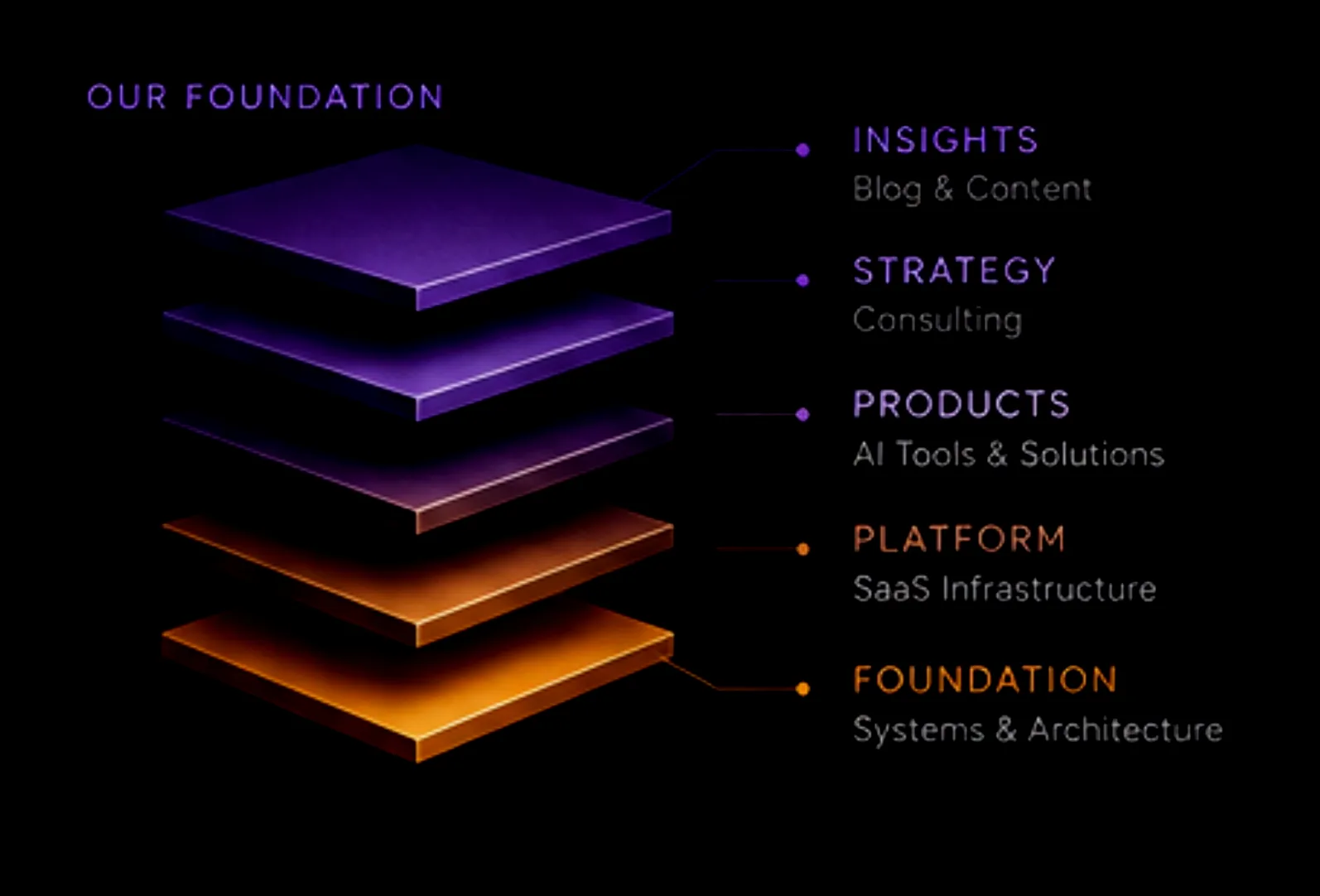
The five-layer architecture.

The studio is named after the Doric order, the oldest and strongest of the classical architectural styles. In software, this translates to a five-layer stack that prioritizes strength over ornament.

  • 05 Insights Field Notes turn decisions into essays, diagrams, and source trails.
  • 04 Strategy Product direction turns ambiguous architecture questions into written decision records.
  • 03 Products Released software makes the operating judgment inspectable.
  • 02 Platform Commerce, licensing, deployment, and observability stay owned by the studio.
  • 01 Foundation Typed systems, tests, release discipline, and durable records carry the load.
Layered Doric Stack foundation graphic
Full foundation model

Foundation model

Foundation model

Layered Doric Stack foundation graphic

Credibility

Payments depth, AI build work, and product proof in one studio.

Doric Stack is an enterprise-grade technical studio. The public surface stays inspectable: released apps, public tools, written reasoning, and product proof records.

Founder, builder, payments architect

Navin Agrawal

Doric Stack is run by a builder who turns product, payments, AI, and integration decisions into released software, Field Notes, and public proof records.

  • Payments architecture across merchant models, settlement, reconciliation, disputes, and operating risk.
  • Applied AI systems work across LLM apps, MCP tooling, provider boundaries, evaluation, and fallback behavior.
  • Product proof through released software, public tools, and written decision trails.

Production paths

Payment, treasury, and enterprise system work.

Multi-rail systems

RTP, FedNow, ACH, wire, SWIFT, card, and settlement patterns.

Applied AI tooling

Agentic commerce, multi-agent orchestration, model fine-tuning, and runtime governance.

Proof

Proof requires public inspectability.

01

Payment systems

Architecture judgment across merchant models, onboarding, settlement, reconciliation, disputes, fraud controls, and operating failure modes.

02

Enterprise delivery

Experience turning large modernization programs into decision artifacts, implementation paths, and operating checkpoints.

03

Applied AI

Hands-on work across agentic commerce, multi-agent orchestration, fine-tuning, provider boundaries, evaluation plans, and fallback behavior.

04

Public proof

The site leads with work people can inspect: a live App Store product, a public MCP tool, and articles that explain the tradeoffs.

Method

A simple operating model.

01

Name the decision

Name the decision, the constraints around it, and the failure modes that matter.

02

Build the smallest useful system

Prefer concrete working surfaces over speculative architecture. Add runtime only when the product has earned it.

03

Leave the reasoning behind

Products, docs, and Field Notes should explain the path clearly enough for the next decision to be easier.

Current focus

Public surfaces stay narrow.

Released work

Public software, open repositories, and product pages carry concrete evidence.

Written judgment

Field Notes and source notes explain the tradeoffs behind the work.

Product support

License, checkout, activation, release, and security questions route through the product support path.

Operating platform

Sales, licensing, releases, and diagnostics stay close to the builder.

Contact

Bring the product question.

Use contact for product questions, support, licensing help, security reports, and focused follow-up on Doric Stack software.

Start a conversation